Sodziu: The Complete Guide to the Ancient Fabric Dyeing Art, Cultural Heritage, and Modern Creative Revival
Color has always played a powerful role in human history. Long before modern textile factories and synthetic dyes existed, communities around the world developed unique techniques for coloring fabrics using natural materials found in their environment. These traditional methods were not only practical but also reflected cultural identity, artistic expression, and local craftsmanship.
Among these fascinating traditions is sodziu, an ancient fabric dyeing art that combines creativity, history, and cultural heritage. More than a simple coloring technique, sodziu represents generations of knowledge passed from skilled artisans to future generations. Every dyed fabric tells a story of tradition, patience, and artistic skill.
Today, as people increasingly appreciate sustainable fashion and handmade craftsmanship, interest in traditional textile arts like sodziu is growing once again. Artists, designers, historians, and textile enthusiasts are rediscovering the beauty and value of this historic practice.
This comprehensive guide explores everything about sodziu, including its history, cultural significance, techniques, materials, modern applications, environmental benefits, challenges, and future potential.
What Is Sodziu?
Sodziu is a traditional fabric dyeing method that emphasizes natural coloring techniques, handcrafted artistry, and cultural storytelling. Unlike industrial dyeing processes that prioritize speed and mass production, sodziu focuses on craftsmanship, patience, and attention to detail.
At its heart, sodziu transforms plain fabric into meaningful works of art through carefully prepared natural dyes and traditional dyeing methods. The process often involves multiple stages, allowing colors to develop gradually while creating unique patterns and textures.
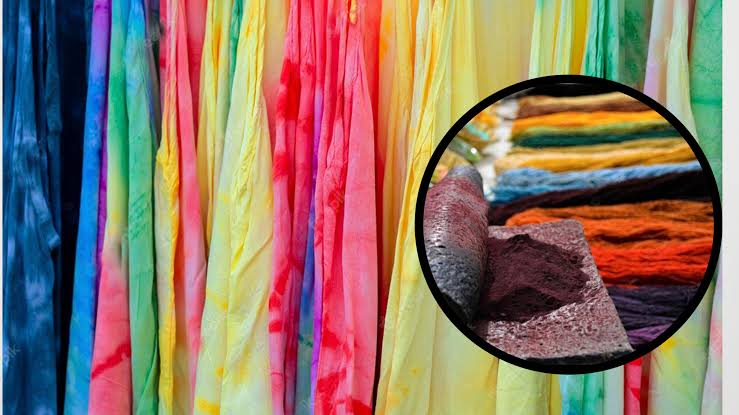
Although techniques may vary depending on local traditions, the core philosophy of sodziu remains the same: creating beautiful textiles while respecting nature and preserving cultural heritage.
The Historical Origins of Sodziu
The roots of sodziu reach back many generations. Before chemical dyes became widely available, communities relied on plants, minerals, tree bark, flowers, roots, leaves, and other natural resources to produce vibrant colors for clothing and household textiles.
The knowledge of preparing these natural dyes was often carefully protected and passed down through families or artisan communities. Every region developed its own techniques based on available natural materials and local traditions.
In many cultures, dyed fabrics served purposes beyond decoration. They symbolized identity, social status, celebrations, ceremonies, and community values.
As trade routes expanded, different dyeing traditions influenced one another, helping techniques like sodziu evolve while maintaining their cultural uniqueness.
Why Sodziu Is More Than Fabric Dyeing
Many people assume dyeing simply changes a fabric’s color.
Sodziu represents something much deeper.
It combines several important elements:
- Traditional craftsmanship
- Cultural preservation
- Artistic creativity
- Sustainable practices
- Community identity
- Historical knowledge
- Handmade quality
Each finished textile becomes a reflection of both the artisan’s skill and the culture that inspired the design.
The Philosophy Behind Sodziu
One reason sodziu continues attracting attention today is its philosophy.
Modern manufacturing often values speed.
Sodziu values patience.
Modern factories focus on consistency.
Sodziu celebrates uniqueness.
Industrial production aims for quantity.
Traditional artisans prioritize quality.
This difference makes every sodziu piece special because no two handcrafted textiles are exactly alike.
Traditional Materials Used in Sodziu
Natural materials form the foundation of sodziu.
Historically, artisans gathered local resources to produce a wide range of colors.
Common natural sources include:
Plant Leaves
Many green plants contain natural pigments that produce subtle shades depending on preparation methods.
Tree Bark
Different tree species provide rich brown, reddish, or dark tones that remain popular in traditional textile art.
Flowers
Flowers contribute bright and delicate colors while also adding symbolic meaning in certain traditions.
Roots
Some roots create long-lasting pigments suitable for repeated fabric use.
Fruits
Natural fruit extracts occasionally produce soft colors and unique tonal variations.
Minerals
Certain minerals help create earthy shades while improving color durability.
How the Sodziu Dyeing Process Works
Although individual techniques vary, most traditional sodziu projects follow several important stages.
Selecting the Fabric
Natural fibers typically absorb dyes more effectively than synthetic materials.
Common choices include:
- Cotton
- Linen
- Silk
- Wool
The fabric is carefully inspected before preparation begins.
Preparing the Fabric
Cleaning removes oils, dust, and impurities that may prevent even color absorption.
Proper preparation ensures consistent results.
Creating Natural Dye Solutions
Artisans carefully prepare natural pigments using traditional recipes developed over many generations.
This stage requires patience because color intensity depends on:
- Ingredient quality
- Temperature
- Water composition
- Cooking time
- Natural chemical reactions
Applying the Dye
The fabric may be:
- Soaked
- Folded
- Wrapped
- Tied
- Layered
- Dipped multiple times
These techniques create distinctive visual effects unique to handcrafted textiles.
Drying and Finishing
After dyeing, fabrics are carefully dried under controlled conditions.
Additional treatments may improve color stability and longevity.
Natural Colors Commonly Found in Sodziu
Traditional sodziu often produces beautiful organic colors rather than extremely bright synthetic shades.
Popular colors include:
- Deep blue
- Warm brown
- Earthy red
- Soft yellow
- Olive green
- Charcoal gray
- Rich black
- Rust orange
- Golden beige
- Natural cream
Each color reflects the local environment and available natural resources.
The Cultural Importance of Sodziu
Traditional textile arts often preserve history better than written records.
Patterns, colors, and techniques may represent:
Family heritage
Religious beliefs
Seasonal celebrations
Agricultural traditions
Regional identity
Historical events
Community values
Because of this, sodziu serves as both an artistic practice and a cultural archive.
The Artistic Side of Sodziu
Every artisan develops a personal style over time.
Even when following similar techniques, individual creativity produces unique results.
Artisans may experiment with:
Layered colors
Natural gradients
Handmade patterns
Organic textures
Traditional motifs
Modern interpretations
This creative freedom keeps sodziu evolving while respecting its historical roots.
How Sodziu Supports Sustainable Fashion
Consumers today increasingly value environmentally responsible products.
Traditional sodziu naturally supports many sustainability principles.
Reduced Chemical Use
Natural dyes often reduce dependence on synthetic chemical colorants.
Renewable Resources
Many dye ingredients come from renewable plant materials.
Handcrafted Production
Small-scale craftsmanship often creates less waste than mass production.
Long-Lasting Quality
Handmade textiles are frequently valued for durability rather than disposable fashion.
Lower Environmental Impact
Responsible natural dyeing practices can reduce pollution compared to some industrial dyeing methods.
Modern Uses of Sodziu
Although rooted in history, sodziu remains relevant today.
Modern designers increasingly incorporate traditional techniques into contemporary products.
Examples include:
Fashion collections
Scarves
Home décor
Wall art
Table linens
Handmade gifts
Designer fabrics
Art exhibitions
Educational workshops
Museum collections
This combination of tradition and innovation introduces sodziu to new audiences around the world.
Who Appreciates Sodziu Today?
Interest in sodziu continues expanding across many fields.
People who often appreciate this traditional art include:
Textile artists
Fashion designers
Museum curators
Historians
Collectors
Craft enthusiasts
Sustainable fashion supporters
Interior decorators
Students studying traditional arts
Cultural organizations
Each group values different aspects of sodziu, from its artistic beauty to its historical significance.
Benefits of Learning Sodziu
Learning traditional dyeing offers more than technical skills.
Participants often develop:
Creative thinking
Patience
Attention to detail
Respect for traditional knowledge
Environmental awareness
Artistic confidence
Problem-solving abilities
Cultural appreciation
These personal benefits contribute to the growing popularity of traditional craft education.
Challenges Facing Traditional Sodziu
Despite renewed interest, sodziu also faces several modern challenges.
Declining Number of Skilled Artisans
Many experienced craftspeople are reaching retirement age, while fewer young people learn traditional techniques.
Competition from Industrial Production
Machine-made textiles are faster and less expensive to produce.
Loss of Traditional Knowledge
Without proper documentation, valuable dyeing methods risk disappearing over time.
Changing Consumer Preferences
Fast fashion often encourages lower prices over handcrafted quality.
Access to Natural Resources
Environmental changes may affect the availability of traditional dye materials.
These challenges make preservation efforts increasingly important.
How Communities Are Preserving Sodziu
Fortunately, many organizations and artisans are working to protect this cultural heritage.
Preservation efforts include:
Teaching workshops
Museum exhibitions
Community festivals
Traditional craft schools
Digital documentation
Cultural research projects
Artisan cooperatives
International cultural exchanges
These initiatives help ensure that future generations can continue learning and practicing sodziu.
Advanced Techniques Used in Sodziu
As artisans gain experience, they often move beyond basic dyeing methods and begin experimenting with advanced techniques that create richer colors, intricate patterns, and more distinctive textiles. These methods require patience, practice, and a deep understanding of natural materials.
Layered Dyeing
Layered dyeing involves applying multiple colors one after another instead of using a single dye bath.
This technique creates:
- Rich color depth
- Natural gradients
- Unique visual effects
- One-of-a-kind textile designs
Because every layer reacts differently with the previous one, no two finished pieces look exactly alike.
Resist Dyeing
Some traditional artisans protect certain parts of the fabric before dyeing.
They may use:
- String
- Wax
- Thread
- Folding methods
- Wooden blocks
These protected areas remain undyed, creating decorative patterns and artistic designs.
Natural Color Blending
Rather than relying on a single plant source, experienced artisans often combine multiple natural ingredients.
This allows them to produce hundreds of subtle color variations while maintaining an organic appearance.
Seasonal Dye Collection
Many natural dye materials are collected during specific seasons.
Leaves, flowers, roots, and bark may produce different shades depending on:
- Weather conditions
- Soil quality
- Harvest time
- Plant maturity
This connection with nature is one of the defining characteristics of sodziu.
Sodziu and Sustainable Fashion
The fashion industry is changing rapidly as consumers become more interested in environmentally responsible products.
Traditional textile arts such as sodziu fit naturally into this movement because they emphasize craftsmanship over mass production.
Some reasons sustainable fashion supporters appreciate sodziu include:
Lower dependence on synthetic dyes
Support for handmade craftsmanship
Reduced waste through small-scale production
Long-lasting textile quality
Greater appreciation for cultural traditions
Unlike fast fashion, which often focuses on producing large quantities quickly, sodziu encourages thoughtful creation and responsible consumption.
The Growing Global Interest in Traditional Textile Arts
Across the world, people are rediscovering traditional crafts.
Museums, universities, fashion schools, and cultural organizations are investing more resources in preserving historical textile techniques.
Several trends are contributing to this renewed interest.
Cultural Tourism
Travelers increasingly seek authentic cultural experiences.
Watching artisans create naturally dyed fabrics provides visitors with a deeper understanding of local traditions.
Handmade Products
Consumers often value handcrafted products because they feel more personal than factory-made goods.
Each sodziu textile carries the story of its maker.
Educational Programs
Many educational institutions now include traditional textile arts in art, design, and cultural heritage courses.
Students learn both historical techniques and their relevance in modern design.
Museum Collections
Historic textiles preserved in museums continue inspiring researchers and contemporary artists.
These collections demonstrate how traditional dyeing techniques have evolved over centuries.
Sodziu in Contemporary Interior Design
Traditional dyed fabrics are no longer limited to clothing.
Interior designers increasingly use handcrafted textiles to create warm, welcoming spaces.
Common applications include:
Decorative cushions
Curtains
Wall hangings
Table runners
Bed coverings
Accent pieces
Handmade artwork
Natural textiles often complement modern minimalist interiors by adding texture, warmth, and cultural character.
Can Sodziu Inspire Modern Designers?
Absolutely.
Many designers draw inspiration from historical textile traditions while creating contemporary collections.
Sodziu offers valuable ideas in areas such as:
Color harmony
Organic textures
Natural materials
Traditional craftsmanship
Minimal environmental impact
Cultural storytelling
Rather than copying historical patterns exactly, designers often reinterpret traditional concepts in modern ways.
Common Misconceptions About Sodziu
As interest grows, several misunderstandings also appear.
Myth 1: Sodziu Is Just Fabric Coloring
In reality, sodziu represents an artistic and cultural practice rather than a simple coloring process.
Myth 2: Natural Dyes Always Fade Quickly
Properly prepared natural dyes can remain attractive for many years when fabrics are cared for correctly.
Myth 3: Handmade Means Low Quality
Traditional artisans often spend many hours perfecting each textile, resulting in exceptional craftsmanship.
Myth 4: Traditional Arts Cannot Be Modern
Modern designers continue proving that historical techniques can successfully blend with contemporary fashion and interior design.
How Beginners Can Appreciate Sodziu
Learning every traditional technique takes time, but anyone can begin appreciating the art by following a few simple steps.
Study the history behind traditional textiles.
Visit museums and cultural exhibitions.
Support local artisans whenever possible.
Choose handcrafted products over mass-produced alternatives.
Learn about natural dye sources.
Respect the cultural significance of traditional craftsmanship.
These actions help preserve valuable artistic traditions while encouraging responsible consumer choices.
The Future of Sodziu
Traditional arts continue evolving.
Instead of disappearing, many are adapting to modern lifestyles.
Several developments are likely to shape the future of sodziu.
Digital Education
Online courses and virtual workshops allow people around the world to learn about traditional dyeing methods.
Eco-Friendly Fashion
As sustainability becomes more important, naturally dyed textiles may receive greater attention from environmentally conscious consumers.
Artisan Collaboration
Traditional craftspeople increasingly collaborate with fashion brands, museums, and designers to introduce historic techniques to wider audiences.
Cultural Preservation
Governments and cultural organizations continue documenting traditional knowledge to ensure future generations can study and appreciate these valuable skills.
Innovation with Tradition
Future artisans may combine traditional methods with modern scientific understanding while preserving the original spirit of sodziu.
Why Sodziu Still Matters Today
In today’s world of automated manufacturing and fast-changing trends, sodziu reminds us that craftsmanship, patience, and cultural heritage remain valuable.
Also read:Louisa Kochansky: A Complete Guide to Her Journey, Leadership, Influence, and Lasting Legacy
Every handmade textile reflects:
Human creativity
Traditional knowledge
Respect for nature
Artistic dedication
Community history
Personal expression
These qualities cannot easily be reproduced through industrial production.
For this reason, sodziu continues inspiring artists, educators, designers, and cultural researchers worldwide.
Expert Tips for Preserving Traditional Textile Heritage
Experts in textile conservation recommend several practices that help preserve traditions like sodziu.
Document techniques before they disappear.
Encourage younger generations to learn traditional skills.
Support community workshops.
Promote ethical handmade products.
Preserve historical textiles in museums.
Research natural dye materials responsibly.
Share cultural knowledge through education.
Celebrate artisan achievements.
These efforts help ensure that traditional craftsmanship continues thriving in future generations.
Conclusion
Sodziu is far more than an ancient method of dyeing fabric. It represents a living tradition that combines history, creativity, sustainability, and cultural identity into one remarkable art form.
Its emphasis on natural materials, handcrafted quality, and thoughtful design makes it especially relevant in today’s world, where many consumers are seeking environmentally responsible and meaningful alternatives to mass-produced products. Every piece created through sodziu reflects the knowledge, patience, and artistic vision of skilled artisans while preserving stories that have been passed down for generations.
As global interest in sustainable fashion and cultural heritage continues to grow, sodziu has the potential to inspire not only artists and designers but also anyone who appreciates craftsmanship and authentic traditions. By supporting education, preservation efforts, and responsible appreciation of traditional textile arts, we can help ensure that the beauty and significance of sodziu continue to thrive for many years to come.
Frequently Asked Questions (FAQs)
Is sodziu suitable for modern textile design projects?
Yes. Many contemporary designers use traditional dyeing principles from sodziu to create modern fashion collections, home décor, and artistic textile pieces while maintaining respect for its cultural origins.
Why does every sodziu textile look different?
Because natural dye materials, weather conditions, fabric types, and handcrafted techniques vary with each project, every finished textile develops its own unique appearance.
Can sodziu help promote sustainable craftsmanship?
Yes. By encouraging the use of natural materials, handmade production, and long-lasting textiles, sodziu supports environmentally responsible and sustainable craft practices.
How does sodziu preserve cultural heritage?
Traditional patterns, dyeing methods, and artisan knowledge are passed from one generation to the next, helping preserve historical traditions, regional identity, and cultural storytelling.
What makes sodziu valuable in today’s world?
Its combination of artistic creativity, historical significance, sustainable practices, and handcrafted quality makes sodziu increasingly valuable for people interested in authentic cultural traditions and responsible design.