
Pabington: The Complete Guide to Smarter On-Page SEO, Content Optimization, and Higher Search Rankings
Search engine optimization has changed dramatically over the past few years. Google now rewards websites that provide helpful, well-structured, and user-focused content instead of pages that simply repeat keywords. This shift has increased the demand for reliable SEO tools that help content creators improve quality while saving time.
One platform gaining attention in this space is Pabington. Designed specifically for on-page SEO, Pabington helps users analyze content, improve page structure, optimize keyword usage, and create pages that are easier for both readers and search engines to understand.
Whether you are a blogger, digital marketer, freelancer, business owner, or SEO agency, understanding how Pabington works can help you create better-performing content without relying on guesswork.
This guide explains everything you need to know about Pabington, including its features, benefits, best practices, real-world applications, and how it fits into a modern SEO strategy.
What Is Pabington?
Pabington is an on-page SEO optimization platform built to help website owners improve the quality of their content before publishing it.
Instead of focusing only on keyword density, Pabington analyzes multiple elements that influence search engine rankings, including:
- Content organization
- Heading structure
- Keyword relevance
- Readability
- User experience
- Internal linking opportunities
- Content completeness
- Semantic keyword usage
- Overall SEO quality
The goal is simple: help users create content that satisfies both search engines and human readers.
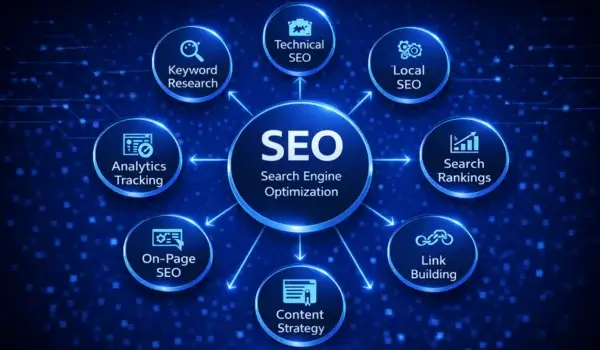
Unlike traditional SEO checklists, Pabington provides actionable recommendations that make optimization easier, especially for beginners.
Why On-Page SEO Matters More Than Ever
Many people spend time building backlinks while ignoring the quality of their own pages.
However, search engines first evaluate whether a page deserves to rank.
Strong on-page SEO helps Google understand:
- What your page is about
- Which search queries it answers
- How valuable the information is
- Whether readers are likely to have a positive experience
Poorly optimized pages often struggle to rank regardless of backlink strength.
This is where Pabington becomes valuable by helping users optimize every important on-page element before publishing.
How Pabington Works
Pabington follows a straightforward workflow.
First, users enter existing content or begin creating a new article inside the platform.
The software then evaluates multiple SEO factors and generates recommendations.
Instead of overwhelming users with technical language, it presents practical improvements that can be implemented immediately.
The process generally includes:
- Content analysis
- SEO scoring
- Structural review
- Keyword analysis
- Readability evaluation
- Optimization suggestions
- Final quality assessment
This workflow helps reduce common SEO mistakes while improving overall content quality.
Core Features of Pabington
Advanced On-Page SEO Analysis
The platform examines nearly every important element of a webpage.
Rather than checking only keywords, it reviews the complete page experience.
This broader approach allows writers to improve both visibility and usability.
Content Structure Recommendations
Well-organized content performs better because readers can easily find answers.
Pabington evaluates:
- Heading hierarchy
- Section organization
- Paragraph length
- Logical content flow
- Navigation
These improvements make articles easier to read.
Keyword Optimization
Keyword stuffing no longer works.
Instead, search engines expect natural keyword placement throughout the article.
Pabington helps users:
- Use primary keywords naturally
- Include related search terms
- Avoid over-optimization
- Improve topical relevance
This creates a healthier balance between SEO and readability.
Semantic SEO Suggestions
Modern search engines understand relationships between words.
Instead of repeating the same keyword dozens of times, successful pages include related concepts.
For example, an article about Pabington may naturally include terms like:
- On-page SEO
- Content optimization
- Search visibility
- SEO score
- Website optimization
- Organic traffic
- Readability
- Keyword strategy
- Search intent
- Content quality
These related topics help search engines better understand page context.
Readability Improvement
Easy-to-read content often performs better because visitors remain on the page longer.
Pabington identifies areas where writing can become:
- Simpler
- Shorter
- Clearer
- More engaging
Improved readability benefits both readers and search rankings.
Content Quality Evaluation
Publishing longer content does not automatically improve rankings.
Quality remains more important than word count.
Pabington encourages:
- Better explanations
- Useful examples
- Complete topic coverage
- Clear organization
- Reader-focused writing
These improvements contribute to stronger overall content.
Who Should Use Pabington?
Pabington serves many different users.
Bloggers
Bloggers often publish multiple articles every week.
Pabington helps maintain consistent SEO quality while saving editing time.
Small Businesses
Many small business owners cannot afford large SEO agencies.
Pabington offers practical optimization guidance without requiring advanced technical knowledge.
Content Writers
Professional writers can use the platform to improve client projects before delivery.
This increases content quality while reducing revision requests.
SEO Professionals
Experienced SEO specialists may use Pabington as an additional quality assurance tool.
It helps verify that important optimization steps have not been missed.
Marketing Agencies
Agencies managing dozens of websites benefit from standardized optimization processes.
Pabington makes quality control more efficient.
E-commerce Stores
Online stores rely heavily on organic search traffic.
Product pages, category pages, and buying guides all benefit from stronger on-page SEO.
Major Benefits of Using Pabington
Using Pabington consistently offers several long-term advantages.
Improved Content Quality
Better organization makes articles easier to understand.
Readers stay engaged longer when information follows a logical structure.
Better User Experience
Google increasingly rewards pages that create positive experiences.
Simple improvements in formatting can significantly increase engagement.
Higher Organic Visibility
Optimized pages are more likely to appear for relevant search queries.
While rankings can never be guaranteed, stronger optimization increases opportunities.
More Efficient Writing
Instead of manually checking dozens of SEO factors, writers receive organized recommendations.
This reduces editing time.
Consistent Optimization
Publishing multiple articles becomes easier when every piece follows similar optimization standards.
Consistency often leads to better long-term website performance.
How Pabington Supports Google’s Helpful Content Approach
Google encourages websites to create content that helps people rather than content written only for search engines.
Pabington naturally supports this philosophy.
Instead of encouraging keyword repetition, it promotes:
- Clear explanations
- Helpful information
- Better organization
- Complete topic coverage
- Easy readability
These characteristics align closely with Google’s quality expectations.
Creating High-Quality Content with Pabington
The best results come from combining software recommendations with human expertise.
An effective workflow might include:
Research the topic carefully.
Understand what users actually want.
Create a logical outline.
Write naturally.
Optimize with Pabington.
Review suggestions.
Improve weak sections.
Proofread carefully.
Publish confidently.
This process balances creativity with technical optimization.
Best Practices When Using Pabington
The platform is most effective when used wisely.
Some recommended practices include:
Focus on helping readers first.
Use keywords naturally.
Answer common user questions.
Support claims with reliable information.
Write original examples.
Avoid duplicate content.
Update older articles regularly.
Optimize internal linking.
Improve page readability.
Review content before publishing.
These habits produce stronger long-term SEO results.
Common SEO Mistakes Pabington Helps Prevent
Many websites lose rankings because of avoidable mistakes.
Examples include:
Keyword stuffing
Thin content
Poor heading structure
Long, difficult paragraphs
Missing keyword relevance
Weak internal linking
Duplicate information
Unclear search intent
Incomplete topic coverage
Weak introductions
By identifying these issues early, Pabington helps improve content before publication.
Understanding Search Intent with Pabington
One of the most overlooked parts of SEO is search intent.
People searching online may want:
Information
Products
Comparisons
Reviews
Tutorials
Solutions
Pabington encourages writers to create content that directly answers user expectations instead of focusing only on keywords.
When search intent matches content quality, rankings often improve over time.
Advanced On-Page SEO Strategies with Pabington
Creating quality content is only the first step. To compete in today’s search results, every page should satisfy users better than competing pages. Pabington helps writers move beyond basic optimization by focusing on quality signals that modern search engines value.
Instead of asking, “Did I use the keyword enough?” ask questions like:
- Does this article answer every important question?
- Is the content easy to understand?
- Can readers quickly find the information they need?
- Does every section provide value?
- Would someone bookmark or share this article?
These questions often separate average content from high-performing content.
How Pabington Fits Into a Modern SEO Workflow
Many professionals follow a structured workflow rather than writing randomly.
A simple workflow looks like this:
- Research the target keyword.
- Understand user intent.
- Create a detailed outline.
- Write helpful, original content.
- Optimize the draft using Pabington.
- Improve readability and structure.
- Add internal links.
- Review the final SEO recommendations.
- Publish the article.
- Monitor performance and update when needed.
This process helps maintain consistency across every article on your website.
Pabington for Different Types of Content
One of the strengths of Pabington is that it can support various content formats instead of focusing only on blog posts.
Blog Articles
Writers can improve headings, keyword placement, readability, and content depth.
Product Pages
Online stores can optimize product descriptions, specifications, and buying information to improve search visibility.
Service Pages
Local businesses can create clear, informative service pages that explain benefits, answer customer questions, and improve trust.
Landing Pages
Marketing campaigns benefit from pages that combine persuasive writing with strong SEO fundamentals.
Educational Guides
Long-form tutorials often perform well when they are organized logically and answer beginner and advanced questions alike.
Tips to Get Better Results with Pabington
Even the best SEO tool cannot replace thoughtful writing. The most successful users combine optimization with genuine expertise.
Consider these practical tips:
Write for people before search engines.
Use real examples whenever possible.
Break large topics into smaller sections.
Keep paragraphs short.
Use descriptive headings.
Answer related questions naturally.
Update articles every few months.
Replace outdated information.
Improve older pages instead of always creating new ones.
These habits can increase both user satisfaction and long-term organic performance.
Content Quality Signals That Matter
Search engines evaluate much more than keywords.
Pabington encourages improvements in several important quality areas, including:
Relevance
Every section should contribute to the main topic rather than adding unnecessary filler.
Completeness
Readers should finish the article without needing to search for basic missing information.
Clarity
Simple language often performs better because it serves a wider audience.
Organization
A logical flow makes information easier to understand and improves user experience.
Originality
Unique insights, examples, and explanations make content more valuable than pages that simply repeat existing information.
Common Challenges Users Face
Although Pabington simplifies optimization, users may still encounter challenges.
Trying to Optimize Too Much
Some writers attempt to follow every suggestion without considering the overall reading experience.
Balance remains important.
Ignoring User Intent
Perfect technical optimization cannot compensate for content that fails to answer the reader’s actual question.
Publishing Without Reviewing
Automation is helpful, but every article should still receive a final human review before publication.
Pabington Compared with Traditional SEO Methods
Traditional SEO often relied on manual checklists.
Writers had to review headings, keywords, readability, and structure individually.
Pabington combines many of these tasks into a single workflow.
| Feature | Traditional Method | Pabington |
| Keyword review | Manual | Automated guidance |
| Readability check | Separate tools | Integrated analysis |
| Content structure | Manual review | Built-in suggestions |
| On-page optimization | Time-consuming | Faster workflow |
| SEO consistency | Depends on experience | More standardized |
| Content evaluation | Manual | Guided recommendations |
This streamlined approach saves time while helping maintain consistent quality.
How Pabington Supports Long-Term SEO
SEO is not about achieving rankings for a single week.
Long-term success comes from consistently publishing valuable content.
Pabington supports this goal by encouraging:
Regular optimization
Better organization
Higher-quality writing
Improved user experience
Natural keyword usage
Comprehensive topic coverage
These practices build a stronger website over time.
The Role of Human Expertise
Although AI and SEO tools continue to improve, human expertise remains essential.
Writers understand:
Audience needs
Industry trends
Customer pain points
Personal experiences
Creative storytelling
Professional judgment
Pabington works best when it supports these human strengths rather than replacing them.
Future of On-Page SEO
Search engines continue becoming smarter each year.
Future optimization will likely place even greater importance on:
Helpful content
Topical authority
User satisfaction
Content freshness
Semantic understanding
Natural language
Page experience
Expert insights
Tools like Pabington are expected to evolve alongside these changes, helping users adapt without needing to learn every technical update manually.
Expert Recommendations for Using Pabington
If you want the best results, consider these recommendations:
Also read:Louisa Kochansky: A Complete Guide to Her Journey, Leadership, Influence, and Lasting Legacy
Focus on solving reader problems instead of chasing keywords.
Build complete topic clusters around related subjects.
Create internal links between supporting articles.
Refresh older content regularly.
Use reliable data whenever possible.
Maintain a consistent publishing schedule.
Measure performance through analytics.
Learn from successful pages and improve weaker ones.
These strategies can help maximize the value of every article you publish.
Who Can Benefit the Most from Pabington?
Pabington is particularly useful for:
Freelance writers looking to deliver better SEO content.
Marketing teams managing multiple websites.
Business owners who publish their own blog posts.
Content agencies seeking consistent optimization.
Affiliate marketers building niche websites.
Educational websites creating resource guides.
E-commerce businesses improving category and product pages.
Regardless of experience level, users can benefit from a more organized approach to on-page SEO.
Conclusion
Pabington is more than just another on-page SEO tool. It serves as a practical assistant that helps content creators produce clearer, better-structured, and more search-friendly content without sacrificing readability or user experience.
Its strength lies in encouraging best practices rather than shortcuts. By focusing on organization, semantic relevance, readability, and content quality, Pabington supports the creation of pages that satisfy both readers and search engines.
For anyone serious about improving on-page SEO, increasing content quality, and building a stronger online presence, Pabington offers a smart foundation for long-term success. When combined with consistent publishing, original insights, and ongoing optimization, it can help create content that continues to deliver value well into the future.
FAQs
What makes Pabington different from traditional on-page SEO tools?
Pabington emphasizes overall content quality, readability, structure, and semantic relevance instead of focusing only on keyword density. This helps create content that is more useful for readers and aligns with modern search engine expectations.
Can beginners use Pabington without SEO experience?
Yes. Pabington is designed to provide easy-to-understand recommendations, making it suitable for beginners while still offering valuable insights for experienced SEO professionals.
Does Pabington support content updates for older articles?
Yes. Existing articles can be reviewed and optimized using Pabington, making it easier to refresh outdated content and improve its SEO performance over time.
Is Pabington suitable for websites in different industries?
Yes. Whether you manage a personal blog, business website, online store, educational platform, or service-based company, Pabington’s on-page optimization features can be applied across many industries.
How often should content be reviewed with Pabington?
A good practice is to review important pages every three to six months or whenever significant industry changes occur. Regular updates help maintain content accuracy, relevance, and long-term search visibility.