CDiPhone: The Complete Guide to Apple’s iPhone Diagnostic Utility for Hardware Testing and Performance Analysis
Modern smartphones are powerful devices that combine advanced hardware with intelligent software. As smartphones become more complex, diagnosing hardware issues has also become more challenging. Whether an iPhone has touchscreen problems, battery issues, speaker failure, charging difficulties, or camera malfunctions, accurate diagnostic tools are essential for identifying the root cause.
One tool that has gained attention among technicians and Apple device users is CDiPhone. This Apple-related diagnostic utility is designed to evaluate different hardware components of an iPhone, helping users and repair professionals identify potential issues before performing repairs or replacements.
Unlike simple troubleshooting apps, CDiPhone focuses on hardware diagnostics. It allows technicians to check whether important components such as the touchscreen, battery, sensors, cameras, speakers, microphone, charging system, and connectivity features are functioning correctly.
As more people buy used iPhones, repair damaged devices, or want to verify hardware performance before purchasing a phone, diagnostic tools like CDiPhone have become increasingly valuable.
This comprehensive guide explains everything you need to know about CDiPhone, including its purpose, features, supported hardware tests, advantages, limitations, practical applications, and how it compares with other diagnostic solutions. Whether you are a repair technician, IT professional, reseller, or everyday iPhone user, this guide provides detailed insights that go beyond basic online information.
What Is CDiPhone?
CDiPhone is an Apple-related diagnostic utility that helps evaluate the hardware condition and overall performance of iPhone devices. Instead of focusing on software optimization, its primary purpose is to identify hardware problems through systematic testing.
The utility examines various components inside an iPhone and reports whether each part is operating normally. These tests can help determine if a problem is caused by damaged hardware, worn-out components, or physical defects rather than software bugs.
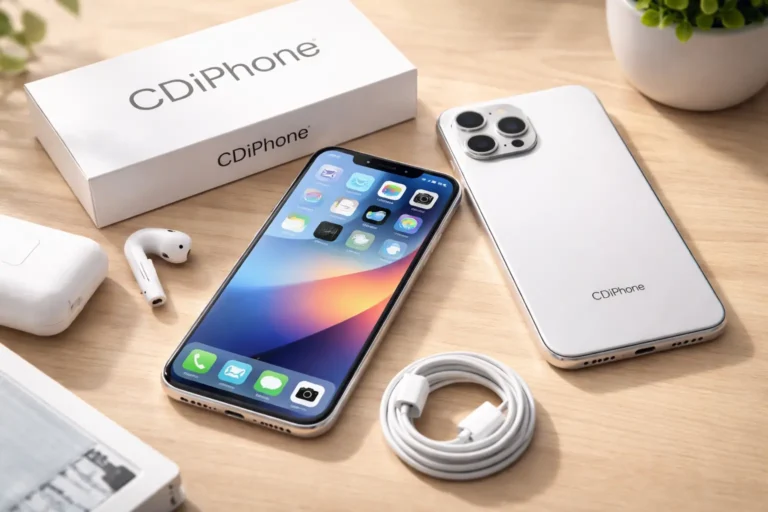
Depending on the diagnostic environment and implementation, CDiPhone may test areas such as:
- Touchscreen responsiveness
- LCD or OLED display quality
- Battery health
- Charging performance
- Cameras
- Speakers
- Microphone
- Face ID components
- Proximity sensor
- Ambient light sensor
- Vibration motor
- Physical buttons
- Wireless connectivity
- Storage performance
This information helps users make informed decisions before repairing, replacing, or purchasing an iPhone.
Also read:Louisa Kochansky: A Complete Guide to Her Journey, Leadership, Influence, and Lasting Legacy
Why CDiPhone Matters Today
The smartphone repair industry has grown significantly over the past decade. Millions of iPhones are repaired, refurbished, resold, or traded every year.
Without proper diagnostics, replacing the wrong component can waste both time and money.
For example:
A user believes the charging port is defective.
After testing with CDiPhone, technicians discover the actual issue is a damaged battery.
This prevents unnecessary repairs and improves repair accuracy.
Similarly, someone buying a used iPhone can verify whether important hardware components are functioning correctly before completing the purchase.
As repair costs continue to increase, accurate diagnostics have become more important than ever.
How CDiPhone Works
CDiPhone performs systematic hardware checks across multiple device components.
Although implementations may differ depending on the environment, the general workflow includes:
Device connection
The iPhone connects to the diagnostic system.
Hardware identification
The utility recognizes the device model and installed hardware.
Component testing
Individual hardware modules are tested one by one.
Performance analysis
Each component is evaluated against expected operating behavior.
Diagnostic report
A summary identifies which components pass testing and which require further inspection.
Instead of guessing the cause of an issue, technicians receive objective information about hardware status.
Main Features of CDiPhone
CDiPhone includes numerous hardware testing capabilities that simplify iPhone diagnostics.
Some of its most valuable features include:
Touchscreen Testing
The touchscreen is one of the most frequently damaged parts of any smartphone.
CDiPhone checks:
- Touch accuracy
- Multi-touch functionality
- Dead zones
- Gesture recognition
- Display responsiveness
This helps determine whether screen replacement is necessary.
Display Diagnostics
Display testing goes beyond simply checking whether the screen turns on.
Diagnostic tests may evaluate:
- Color consistency
- Brightness
- Pixel performance
- Screen responsiveness
- Display communication
This is especially useful after accidental drops.
Battery Evaluation
Battery performance naturally declines over time.
CDiPhone helps identify:
- Battery health
- Charging cycles
- Capacity degradation
- Charging stability
- Battery communication
This allows technicians to determine whether battery replacement is appropriate.
Camera Testing
Modern iPhones contain sophisticated camera systems.
Diagnostic testing may include:
- Rear camera operation
- Front camera functionality
- Focus performance
- Flash testing
- Lens communication
These checks help identify hardware failures before repairs begin.
Speaker and Audio Testing
Audio components often experience wear after years of use.
CDiPhone evaluates:
- Speaker output
- Receiver speaker
- Audio clarity
- Microphone functionality
- Audio recording performance
These tests help locate damaged audio hardware quickly.
Charging System Analysis
Charging problems can result from several different components.
CDiPhone may analyze:
- Charging port communication
- Power delivery
- Battery charging
- Cable detection
- Power management
Proper diagnosis reduces unnecessary part replacement.
Sensor Diagnostics
Today’s iPhones include multiple sensors.
Testing may include:
- Accelerometer
- Gyroscope
- Proximity sensor
- Ambient light sensor
- Compass
- Motion sensors
Many applications depend on these sensors functioning correctly.
Hardware Components Commonly Tested
A complete diagnostic session may evaluate dozens of individual components.
These include:
Display
Touchscreen
Battery
Charging port
Lightning or USB-C interface
Rear camera
Front camera
Face ID hardware
Speaker
Microphone
Wi-Fi
Bluetooth
Cellular antenna
GPS
Flash
Buttons
Volume controls
Mute switch
Vibration motor
Internal storage
Memory communication
Sensor array
This comprehensive testing makes CDiPhone useful for professional repair environments.
Benefits of Using CDiPhone
Using a diagnostic utility offers numerous advantages over manual troubleshooting.
Faster Repairs
Instead of replacing multiple components through trial and error, technicians receive targeted information.
This significantly reduces repair time.
Lower Repair Costs
Correct diagnosis prevents replacing working parts unnecessarily.
Customers save money while technicians improve efficiency.
Improved Accuracy
Hardware failures often produce similar symptoms.
For example:
A damaged charging IC
A faulty battery
A defective charging cable
All may prevent charging.
CDiPhone helps distinguish between these possibilities.
Higher Customer Confidence
Repair businesses that perform professional diagnostics often build greater trust with customers.
Detailed reports demonstrate transparency.
Better Quality Control
Repair shops frequently test repaired devices before returning them to customers.
CDiPhone helps confirm that repairs solved the original issue.
Who Should Use CDiPhone?
CDiPhone serves multiple user groups.
Repair Technicians
Professional technicians rely on diagnostics daily.
Hardware testing improves repair accuracy.
Refurbishment Companies
Companies refurbishing used iPhones must verify hardware quality before resale.
Diagnostics help ensure devices meet quality standards.
Electronics Retailers
Retailers accepting trade-ins can evaluate device condition before assigning value.
IT Departments
Organizations managing large fleets of company iPhones may use diagnostics to identify failing devices before problems affect employees.
Individual Consumers
Even everyday users benefit by checking hardware before purchasing used devices or after accidental damage.
CDiPhone and Used iPhone Purchases
Buying a used iPhone involves some risk.
A phone may appear perfect externally while hiding hardware issues.
Before purchasing, diagnostics can verify:
- Screen functionality
- Camera operation
- Battery condition
- Speaker quality
- Sensor operation
- Charging performance
- Wireless communication
This provides buyers with greater confidence.
Common Hardware Problems CDiPhone Can Detect
Diagnostic testing often identifies issues such as:
Unresponsive touchscreen
Weak battery
Charging failure
Speaker distortion
Microphone malfunction
Camera communication errors
Sensor failure
Button malfunction
Connectivity issues
Display defects
Although diagnostics cannot repair these problems, identifying them accurately is the first step toward effective repairs.
CDiPhone Compared with Manual Troubleshooting
| Feature | CDiPhone | Manual Testing |
| Speed | Fast | Slow |
| Accuracy | High | Moderate |
| Component Coverage | Extensive | Limited |
| Automated Testing | Yes | No |
| Diagnostic Reports | Yes | Usually No |
| Suitable for Repair Shops | Excellent | Limited |
| Human Error | Reduced | Higher |
This comparison illustrates why diagnostic utilities have become standard tools for professional repair technicians.
How CDiPhone Improves Repair Efficiency
Repair shops often handle dozens of devices every day.
Without diagnostics, technicians may spend significant time identifying hardware failures.
CDiPhone streamlines the process by providing structured testing for multiple components in a single session.
Benefits include:
- Faster customer service
- More accurate repair estimates
- Better inventory management
- Reduced repeat repairs
- Improved technician productivity
As a result, repair businesses can complete more repairs while maintaining higher quality standards.
Security and Privacy Considerations
Because diagnostic tools interact with device hardware, users should always follow best practices to protect their personal information.
Before testing an iPhone, it is recommended to:
- Back up important data.
- Sign out of personal accounts if required.
- Use trusted diagnostic software from reputable sources.
- Ensure the device remains physically secure during testing.
Professional technicians should also respect customer privacy and avoid accessing personal content unless it is necessary for troubleshooting and authorized by the device owner.
Why Hardware Diagnostics Are Becoming More Important
Modern iPhones include increasingly sophisticated components, from advanced camera systems and biometric sensors to high-performance processors and complex power management circuits. As technology evolves, identifying hardware issues through visual inspection alone becomes less reliable.
Diagnostic utilities such as CDiPhone help bridge this gap by providing structured hardware evaluations that support more accurate decisions. Rather than relying on assumptions, technicians can base repairs on measurable results, reducing unnecessary replacements and improving overall service quality.
Advanced Diagnostic Capabilities of CDiPhone
As iPhone technology has evolved, hardware diagnostics have become more sophisticated. Modern diagnostic utilities do more than identify obvious hardware failures—they help technicians recognize hidden issues that may not be visible during normal device use.
Advanced diagnostic testing can evaluate how different hardware components communicate with each other. Instead of checking only whether a part is working, CDiPhone helps determine whether it is operating within expected performance standards.
Examples include:
- Battery communication with the power management system
- Camera hardware responding correctly to software commands
- Display synchronization
- Sensor calibration
- Audio signal performance
- Wireless communication stability
These detailed evaluations make diagnostics much more valuable than simple visual inspections.
CDiPhone Compatibility
Compatibility depends on the version of the diagnostic environment and the hardware being tested.
In general, CDiPhone is designed to support a wide range of Apple smartphones, including many newer and older iPhone generations.
Support may include:
- Older iPhone models
- Mid-generation devices
- Recent iPhone models
- Different storage capacities
- Multiple regional device versions
As Apple introduces new hardware, diagnostic utilities often receive updates to improve compatibility with the latest devices and components.
Step-by-Step Diagnostic Workflow
Professional repair shops often follow a structured process when using diagnostic tools.
Step 1: Visual Inspection
The technician first examines the iPhone for:
- Cracked glass
- Water damage
- Bent frame
- Charging port debris
- Camera lens damage
This helps identify obvious physical problems before running diagnostics.
Step 2: Device Preparation
The iPhone is prepared for testing.
This may include:
- Charging the battery
- Connecting approved accessories
- Updating required software if appropriate
- Ensuring stable power
Step 3: Run Hardware Tests
The technician starts the diagnostic session.
Each hardware component is tested individually.
Step 4: Review Diagnostic Results
After testing, the report identifies:
- Passed components
- Failed components
- Components requiring further inspection
Step 5: Plan the Repair
Instead of replacing multiple parts through trial and error, technicians repair only the affected hardware.
This improves repair quality while reducing unnecessary costs.
Common Situations Where CDiPhone Is Useful
Diagnostic testing provides value in many real-world situations.
Buying a Used iPhone
Before purchasing a second-hand device, hardware testing helps verify:
- Battery condition
- Camera functionality
- Screen quality
- Face ID operation
- Charging performance
Selling an iPhone
Providing a diagnostic report can increase buyer confidence.
Many buyers appreciate proof that the hardware has been tested.
Repair Shops
Repair businesses use diagnostics every day to improve repair accuracy.
Insurance Claims
Some repair providers perform diagnostics before documenting hardware damage for insurance purposes.
Corporate Device Management
Organizations managing large numbers of company-owned iPhones can use diagnostics to identify devices that require maintenance before employees experience failures.
Understanding Diagnostic Reports
A diagnostic report is more than a simple list of passing or failing components.
Experienced technicians analyze patterns across multiple test results.
For example:
If both Face ID and the front camera fail testing, the issue may involve a shared hardware connection rather than two unrelated failures.
Similarly, charging issues combined with battery communication errors may indicate power management problems rather than a damaged charging port alone.
Understanding these relationships helps technicians make better repair decisions.
Best Practices for Accurate Diagnostics
Professional technicians follow several best practices to improve reliability.
Use high-quality charging cables.
Ensure the battery has sufficient power before testing.
Test devices in a stable environment.
Avoid interrupting the diagnostic process.
Repeat important tests when results appear inconsistent.
Document findings before beginning repairs.
Verify repairs by running diagnostics again after replacing components.
These practices improve consistency and reduce repair errors.
Limitations of CDiPhone
Although CDiPhone is a valuable diagnostic utility, no tool is perfect.
Users should understand its limitations.
It cannot physically repair damaged hardware.
Some intermittent problems may not appear during a single diagnostic session.
Physical inspection remains important because some issues, such as corrosion or liquid damage, require visual confirmation.
New hardware introduced by Apple may require software updates before full compatibility becomes available.
For these reasons, experienced technicians combine diagnostic testing with professional judgment.
How CDiPhone Supports Preventive Maintenance
Diagnostics are not only useful after problems occur.
Many organizations perform preventive maintenance by testing devices before failures affect users.
Preventive diagnostics can identify:
- Declining battery health
- Weak charging performance
- Aging speakers
- Sensor calibration issues
- Hardware beginning to fail
Addressing these problems early helps extend device life while reducing unexpected downtime.
Troubleshooting Tips When Diagnostic Results Are Inconsistent
Occasionally, a device may produce inconsistent results during testing.
Possible reasons include:
- Low battery power
- Unstable connection
- Temporary software conflict
- Recently replaced hardware
- Damaged connectors
When this happens, technicians often restart the device, verify connections, and repeat the diagnostic process before making repair decisions.
Consistency across multiple tests provides greater confidence.
CDiPhone and iPhone Refurbishment
The refurbished smartphone market continues to expand because many consumers want premium devices at lower prices.
Professional refurbishment companies depend on accurate diagnostics.
Before resale, technicians commonly inspect:
- Battery capacity
- Display quality
- Camera performance
- Speaker operation
- Charging system
- Connectivity
- Buttons
- Face ID functionality
A complete hardware evaluation helps ensure customers receive reliable devices.
This quality control process also reduces product returns and improves customer satisfaction.
The Role of CDiPhone in Modern Repair Businesses
Successful repair businesses focus on accuracy, efficiency, and transparency.
Diagnostic tools contribute to each of these goals.
Benefits include:
- Faster repair estimates
- Improved customer communication
- Better inventory planning
- Reduced unnecessary part replacements
- Consistent repair documentation
Many customers appreciate receiving clear explanations supported by diagnostic results rather than assumptions.
CDiPhone vs. Basic Device Troubleshooting
Many users rely on simple troubleshooting steps, such as restarting the device or resetting settings. While these methods can solve certain software-related issues, they often do not identify underlying hardware faults.
CDiPhone provides a more structured approach by testing specific components individually. This allows technicians to distinguish between hardware failures and software problems, leading to more accurate repair decisions.
For example, if an iPhone’s camera app crashes, basic troubleshooting might suggest reinstalling software or updating iOS. A diagnostic utility can help determine whether the issue is actually caused by a faulty camera module, reducing guesswork and unnecessary software changes.
Future of iPhone Diagnostic Technology
Smartphone hardware continues to become more advanced every year. As Apple introduces new technologies, diagnostic solutions are also expected to evolve.
Future diagnostic utilities may include:
- Faster automated testing
- AI-assisted hardware analysis
- Improved battery performance predictions
- Advanced thermal monitoring
- Expanded compatibility with future iPhone models
- More detailed repair recommendations
- Enhanced reporting for enterprise environments
These improvements could make hardware diagnostics even more accurate and efficient, benefiting both repair professionals and consumers.
Expert Recommendations for Using CDiPhone
To achieve the best results, experts recommend using CDiPhone as part of a complete diagnostic workflow rather than relying on it alone.
Key recommendations include:
- Always begin with a visual inspection.
- Back up important user data before testing.
- Use genuine or high-quality accessories during diagnostics.
- Review the complete diagnostic report instead of focusing on a single result.
- Confirm repairs by running another diagnostic session after replacing any hardware.
- Stay informed about updates that improve compatibility with new iPhone models.
Combining these practices with professional experience leads to more reliable repairs and better customer outcomes.
Conclusion
CDiPhone has become a valuable diagnostic utility for evaluating iPhone hardware and overall device performance. By testing critical components such as the touchscreen, display, battery, cameras, sensors, charging system, speakers, and connectivity features, it helps technicians and users identify hardware issues with greater accuracy.
Its ability to streamline troubleshooting, reduce unnecessary repairs, and improve repair efficiency makes it especially useful for repair shops, refurbishment companies, IT departments, retailers, and individuals purchasing or maintaining iPhones. While no diagnostic tool can replace professional expertise, CDiPhone provides reliable hardware insights that support informed repair decisions.
As smartphone technology continues to evolve, comprehensive diagnostics will play an even greater role in extending device lifespan, improving repair quality, and ensuring users receive dependable performance from their iPhones.
FAQs
Can CDiPhone detect water damage inside an iPhone?
CDiPhone may identify hardware problems caused by liquid exposure, but it cannot visually confirm internal water damage. A physical inspection is still necessary to verify corrosion or moisture-related issues.
Does CDiPhone erase personal data during hardware testing?
Diagnostic testing is generally designed to evaluate hardware functionality rather than delete personal files. However, users should always back up important data before any repair or diagnostic procedure.
Can CDiPhone verify replacement parts after an iPhone repair?
Yes. Technicians often use CDiPhone after replacing components to confirm that new hardware, such as a display, battery, or camera, is functioning correctly.
Is CDiPhone useful for diagnosing intermittent hardware issues?
It can help identify many intermittent problems, but some issues may require repeated testing or additional inspection if they do not appear consistently during a single diagnostic session.
Why is a diagnostic report valuable when buying or selling a used iPhone?
A diagnostic report provides documented evidence that key hardware components have been tested, giving buyers greater confidence and helping sellers demonstrate the device’s overall condition.