Humanilex: The Complete Guide to the Next Generation of Human-Centered Digital Experiences
Technology has changed almost every part of our lives. We use websites, mobile apps, artificial intelligence, smart devices, online learning platforms, and digital services every day. While these technologies continue to improve, one challenge remains the same: creating experiences that truly understand and support people.
This is where Humanilex comes into the picture.
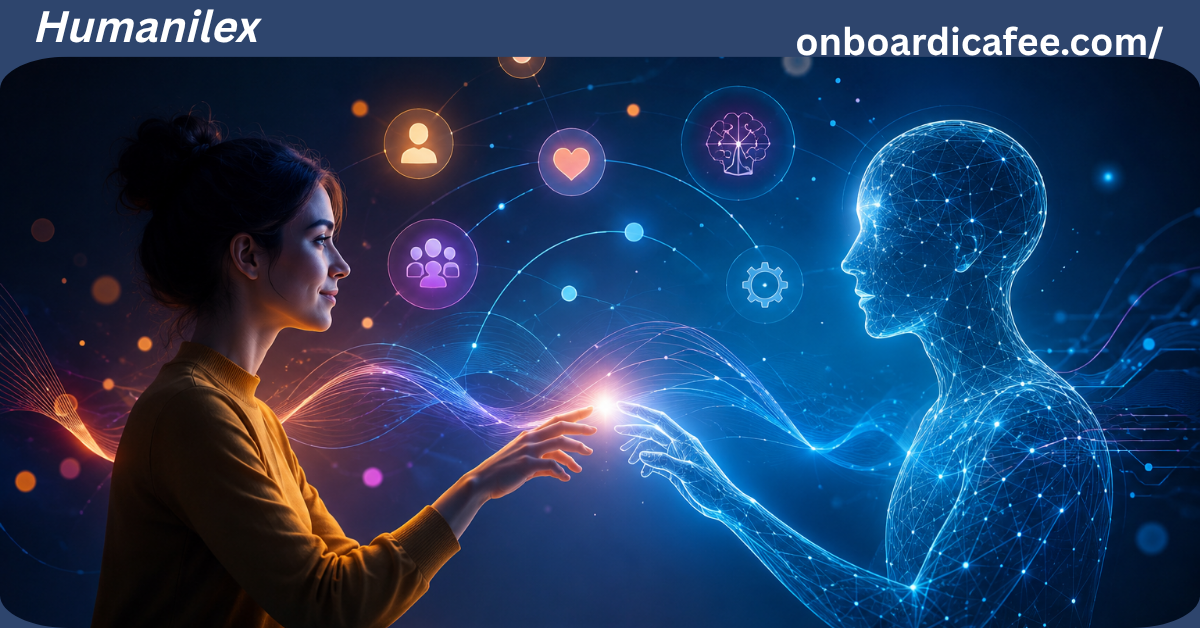
Humanilex is an emerging Human-Computer Interaction (HCI) framework that focuses on making technology more human-centered, accessible, intelligent, and user-friendly. Instead of building systems that simply complete tasks, Humanilex encourages developers, designers, educators, and organizations to create digital experiences that understand user needs, reduce complexity, and improve accessibility for everyone.
Unlike many technology concepts that focus only on artificial intelligence or automation, Humanilex combines multiple disciplines, including user experience (UX), accessibility, psychology, human-computer interaction, behavioral science, and ethical AI. The goal is to make technology work naturally with people instead of expecting people to adapt to technology.
As businesses continue investing in digital transformation, Humanilex offers a practical approach for creating software and digital platforms that are easier to understand, more inclusive, and more enjoyable to use.
This comprehensive guide explains everything you need to know about Humanilex, including how it works, why it matters, where it is used, its advantages, challenges, future potential, and how organizations can successfully adopt this innovative framework.
What Is Humanilex?
Humanilex is a modern human-centered interaction framework that helps organizations design digital products around real human behavior rather than technical limitations.
Instead of asking users to learn complicated systems, Humanilex encourages software to adapt to users through intelligent design, accessibility features, personalization, and intuitive interaction.
In simple words, Humanilex is about creating technology that feels natural.
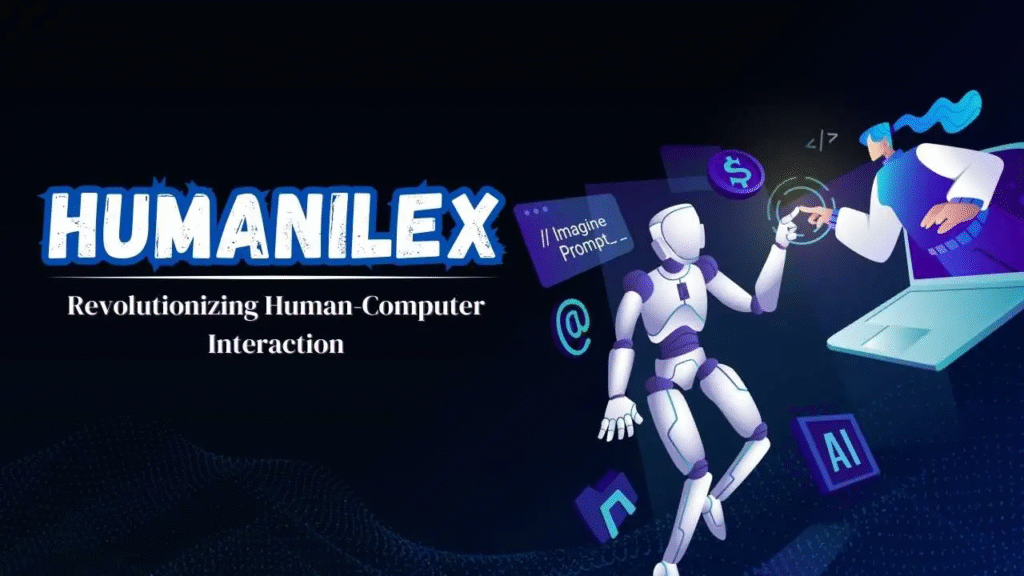
A Humanilex-based platform considers factors such as:
- User goals
- User emotions
- Accessibility needs
- Learning ability
- Cognitive workload
- Digital confidence
- Communication preferences
- Environmental conditions
- Device limitations
By understanding these factors, digital systems become easier to use for beginners, professionals, children, older adults, and people with disabilities.
Also read:Homecz: The Complete Guide to the Home Connection Z Tech Framework for Smarter Living
Rather than being a single software product, Humanilex should be viewed as a design philosophy and development framework that guides how digital experiences should be created.
Why Humanilex Matters in Today’s Digital World
The digital world has become increasingly complex.
Every year, businesses introduce more applications, websites, AI assistants, cloud platforms, and automation tools. While these innovations increase productivity, they also create new usability problems.
Many users struggle because digital systems often contain:
- Confusing navigation
- Difficult interfaces
- Too many options
- Poor accessibility
- Technical language
- Information overload
- Slow learning curves
Humanilex addresses these problems by simplifying interactions and focusing on people first.
Instead of measuring success only through technology performance, Humanilex evaluates success through human outcomes.
Questions become:
Can users complete tasks easily?
Do users feel confident?
Is the interface accessible?
Does the software reduce frustration?
Can different types of users achieve their goals without extensive training?
These questions make Humanilex valuable for organizations that care about long-term customer satisfaction.
The Core Philosophy Behind Humanilex
Humanilex is built on one central idea:
Technology should adapt to humans—not the other way around.
This philosophy influences every stage of product development.
Instead of beginning with technical capabilities, Humanilex begins with understanding people.
Developers first identify user challenges before writing code.
Designers understand behavior before creating interfaces.
Organizations study customer needs before introducing new features.
This people-first mindset often leads to products that require less training, fewer support requests, and higher customer satisfaction.
The Humanilex Framework Explained
Although Humanilex continues to evolve, the framework can be understood through six connected pillars.
Human Understanding
Every successful digital product starts with understanding real users.
Humanilex encourages organizations to research:
- User behavior
- Daily workflows
- Frustrations
- Motivations
- Accessibility barriers
- Cultural differences
- Digital experience levels
Instead of making assumptions, designers collect evidence through interviews, usability testing, surveys, analytics, and observation.
The better organizations understand people, the better digital experiences they can create.
Intelligent Simplicity
Many digital products become more complicated every year.
Humanilex encourages removing unnecessary complexity.
Good software should not require users to memorize complicated instructions.
Instead, systems should naturally guide users toward completing their goals.
This principle focuses on:
- Clear navigation
- Simple language
- Logical layouts
- Easy onboarding
- Minimal cognitive effort
Simple does not mean limited.
It means making powerful systems easy to understand.
Accessibility by Default
Accessibility should never be treated as an optional feature.
Humanilex promotes accessibility from the beginning of product development.
This includes support for:
- Screen readers
- Keyboard navigation
- Voice interaction
- Color contrast
- Text resizing
- Captioned media
- Alternative input methods
- Cognitive accessibility
By designing for accessibility early, organizations create better experiences for everyone.
Adaptive Personalization
Every user is different.
Some people are experts.
Others are beginners.
Some users prefer detailed information.
Others want quick answers.
Humanilex supports intelligent personalization that adjusts digital experiences according to user needs without making interfaces confusing.
Examples include:
- Personalized dashboards
- Adaptive learning systems
- Smart recommendations
- Custom accessibility settings
- Context-aware assistance
This creates experiences that feel helpful instead of overwhelming.
Ethical Intelligence
As artificial intelligence becomes more common, ethical concerns become increasingly important.
Humanilex encourages responsible technology development through:
- Transparent AI decisions
- User privacy
- Data protection
- Fair algorithms
- Inclusive datasets
- User control over personal information
Trust becomes an important design objective rather than an afterthought.
Continuous Improvement
Humanilex treats digital products as evolving systems.
Organizations continuously improve products by collecting:
- User feedback
- Accessibility reports
- Customer satisfaction
- Behavioral analytics
- Support requests
- Usability testing results
Instead of releasing software once, Humanilex encourages continuous optimization.
How Humanilex Differs from Traditional Human-Computer Interaction
Traditional Human-Computer Interaction has helped improve software usability for decades.
Humanilex builds upon these principles while expanding them for today’s AI-driven world.
Traditional HCI often focuses on making interfaces usable.
Humanilex focuses on creating complete human experiences.
Traditional systems emphasize efficiency.
Humanilex values efficiency alongside accessibility, emotional comfort, trust, adaptability, and personalization.
Traditional software usually presents identical interfaces to every user.
Humanilex encourages interfaces that intelligently adjust based on user needs while remaining predictable and transparent.
This shift reflects changing expectations.
Modern users expect digital products to understand them rather than forcing everyone into identical workflows.
The Evolution of Humanilex
The development of Humanilex reflects broader changes in technology.
Early software primarily focused on functionality.
If software completed a task, it was considered successful.
Later, user experience became important.
Companies invested heavily in interface design.
Then accessibility gained recognition as governments introduced digital accessibility requirements.
Artificial intelligence added another layer by making systems capable of learning user behavior.
Humanilex combines these historical developments into one comprehensive framework.
Instead of viewing usability, accessibility, AI, and personalization as separate disciplines, Humanilex integrates them into one unified approach.
This integration is one reason the framework is attracting growing attention among designers, educators, and technology professionals.
Key Characteristics of Humanilex Systems
Digital products developed using Humanilex principles often share several characteristics.
They are easy to learn even for first-time users.
They reduce unnecessary decisions.
They communicate clearly.
They support multiple interaction methods.
They respect user privacy.
They adapt intelligently without becoming unpredictable.
They remain accessible for users with different abilities.
They continuously improve through user feedback.
These characteristics create technology that feels less mechanical and more supportive.
Why Businesses Are Paying Attention to Humanilex
Customer expectations continue rising.
People compare every digital experience with the best applications they have ever used.
If a banking app feels confusing compared to a shopping app, customers notice.
If an educational platform feels difficult compared to social media, learners lose motivation.
Humanilex helps businesses remain competitive by improving the overall user experience.
Organizations adopting Humanilex principles may experience benefits such as:
- Higher customer satisfaction
- Better product adoption
- Lower training costs
- Increased accessibility compliance
- Improved employee productivity
- Reduced customer support requests
- Higher customer retention
- Better product reviews
- Increased digital trust
These business benefits demonstrate that Humanilex is not only about design quality but also about long-term organizational success.
Common Misconceptions About Humanilex
Because Humanilex is still an emerging concept, several misunderstandings exist.
One common misconception is that Humanilex is another artificial intelligence platform.
In reality, AI can support Humanilex, but the framework extends far beyond AI.
Another misconception is that Humanilex only applies to software developers.
In fact, educators, healthcare professionals, UX designers, accessibility specialists, product managers, researchers, customer experience teams, and business leaders can all benefit from Humanilex principles.
Some also believe Humanilex only focuses on accessibility.
Accessibility is an important pillar, but Humanilex also includes usability, personalization, ethics, behavioral understanding, trust, and continuous improvement.
Understanding these distinctions helps organizations adopt Humanilex more effectively.
Humanilex and the Future of Digital Innovation
One of the strongest aspects of Humanilex is its ability to support future technologies without losing its human focus.
As artificial intelligence, augmented reality, virtual reality, wearable devices, robotics, and smart environments continue evolving, user expectations will also change.
Technology will become more intelligent, but intelligence alone is not enough.
People will continue expecting technology that is understandable, trustworthy, accessible, and respectful of individual needs.
Humanilex provides a foundation for achieving these goals.
Rather than chasing every technological trend, it encourages organizations to ask one important question before building new digital products:
“How does this improve the human experience?”
That simple question may become one of the most valuable principles guiding digital innovation over the next decade.
How Humanilex Is Transforming Different Industries
One of the biggest strengths of Humanilex is that it is not limited to one type of technology or one industry. Any organization that creates digital experiences can use Humanilex principles to improve how people interact with its products and services.
Instead of forcing users to adapt to software, Humanilex encourages organizations to create technology that adapts to users. This approach improves usability, accessibility, productivity, and customer satisfaction across many sectors.
Below are some of the industries where Humanilex can make the greatest impact.
Humanilex in Education
Education has changed significantly over the last decade. Schools, universities, and training organizations now rely on digital learning platforms more than ever before.
However, many learning systems remain difficult to navigate, especially for young students, older learners, and individuals with disabilities.
Humanilex helps educational platforms become easier to understand and more engaging.
For example, a Humanilex-based learning platform may automatically adjust lesson difficulty based on student progress. It can recommend additional learning materials when students struggle with a topic while avoiding unnecessary complexity for advanced learners.
Teachers also benefit because they receive clearer student performance insights instead of overwhelming reports.
Parents gain better visibility into learning progress through simple dashboards that highlight meaningful information rather than excessive data.
The result is a learning environment that supports every participant.
Humanilex in Healthcare
Healthcare professionals often work under significant pressure.
Doctors, nurses, pharmacists, and medical staff use multiple digital systems every day.
Unfortunately, many healthcare applications contain complicated interfaces that slow down clinical work.
Humanilex focuses on reducing unnecessary cognitive workload.
Instead of displaying hundreds of data points simultaneously, medical software presents information based on urgency and context.
Critical patient alerts receive immediate attention while less important information remains available without creating distractions.
Patients also benefit.
Healthcare portals designed with Humanilex principles use plain language instead of complex medical terminology whenever possible.
Appointment scheduling becomes simpler.
Prescription instructions become easier to understand.
Accessibility features help elderly users and individuals with visual impairments manage their healthcare independently.
Humanilex in Business Software
Enterprise software is often powerful but difficult to learn.
Employees may spend weeks learning complicated systems before becoming productive.
Humanilex encourages software developers to simplify workflows without reducing functionality.
Instead of showing every available feature immediately, business applications can gradually introduce advanced capabilities as employees gain experience.
New employees complete onboarding faster.
Managers spend less time answering basic questions.
Organizations reduce training expenses while improving employee confidence.
Humanilex in Customer Service
Customer support has evolved beyond traditional call centers.
Today’s organizations use live chat, AI assistants, email support, mobile applications, and self-service knowledge bases.
Humanilex improves customer service by making support feel more personal and efficient.
Rather than providing generic responses, intelligent systems understand customer history, previous interactions, and current goals.
Support interfaces also become easier for customer service representatives.
Instead of searching through multiple systems, representatives receive organized information that helps them resolve issues quickly.
Customers experience shorter waiting times and higher satisfaction.
Humanilex in Financial Services
Banking applications contain sensitive information and complex financial products.
Many users feel overwhelmed when managing investments, loans, insurance, or retirement planning.
Humanilex simplifies financial experiences by presenting information gradually.
Instead of displaying technical financial terminology immediately, platforms explain concepts using everyday language.
Visual summaries help customers understand spending habits.
Personalized budgeting suggestions improve financial decision-making.
Accessibility features ensure that financial services remain available to users with different abilities.
Trust also becomes stronger because systems clearly explain why recommendations are made.
Humanilex in Retail and E-Commerce
Online shopping continues growing every year.
Customers expect fast, personalized, and enjoyable shopping experiences.
Humanilex helps retailers improve every stage of the customer journey.
Product searches become more intelligent.
Recommendation engines understand user preferences without becoming intrusive.
Checkout processes remove unnecessary steps.
Accessibility features help customers complete purchases regardless of physical ability or technical experience.
Instead of encouraging unnecessary purchases, Humanilex promotes ethical personalization that supports informed decisions.
This creates long-term customer loyalty rather than short-term sales.
Humanilex in Government Services
Government websites often contain large amounts of information.
Citizens may struggle to locate forms, understand legal requirements, or complete online applications.
Humanilex simplifies these experiences.
Instead of presenting dozens of unrelated options, government portals guide citizens through clear step-by-step processes.
Plain language replaces technical terminology.
Accessibility remains a priority.
This reduces confusion while increasing successful completion of online services.
Humanilex in Smart Cities
Cities increasingly use connected technologies to manage transportation, energy, healthcare, and public services.
Humanilex ensures these technologies remain centered around people.
Smart transportation systems provide understandable travel recommendations.
Digital kiosks remain accessible for tourists and residents.
Emergency communication becomes clearer during critical situations.
Instead of focusing only on technology infrastructure, Humanilex emphasizes citizen experience.
Humanilex in Artificial Intelligence
Artificial intelligence is becoming part of daily life.
However, intelligent systems sometimes appear confusing or unpredictable.
Humanilex encourages AI systems to explain their decisions.
Rather than presenting recommendations without explanation, AI should help users understand why suggestions were made.
This improves trust.
Users feel more comfortable relying on intelligent systems when they understand how decisions are reached.
Transparent AI also supports responsible technology development.
The Key Benefits of Humanilex
Organizations implementing Humanilex often experience improvements across multiple areas.
Better User Experience
People complete tasks faster because interfaces become easier to understand.
Simple navigation reduces frustration.
Clear communication increases confidence.
Users enjoy interacting with products instead of struggling to learn them.
Higher Accessibility
Accessibility improvements benefit everyone.
While accessibility features primarily support individuals with disabilities, they also improve usability for older adults, temporary injuries, mobile users, and beginners.
Inclusive design creates better experiences for all users.
Increased Productivity
Employees spend less time searching for information.
Customers complete transactions more quickly.
Students find learning materials faster.
Reduced complexity allows users to focus on meaningful work.
Lower Training Costs
Easy-to-use systems require less formal training.
Organizations reduce onboarding expenses.
Employees become productive sooner.
Customers require fewer tutorials.
Improved Customer Satisfaction
Satisfied users remain loyal.
Positive experiences increase customer retention.
People are more likely to recommend products that feel intuitive and supportive.
Greater Digital Trust
Privacy, transparency, and ethical decision-making strengthen relationships between organizations and users.
Trust becomes a competitive advantage.
The Humanilex User Journey
A useful way to understand Humanilex is through the complete user journey.
Every interaction follows several stages.
Discovery
Users first become aware of a product.
Humanilex ensures marketing, websites, and first impressions communicate clearly.
First Interaction
New users should immediately understand how to begin.
Complicated registration processes discourage engagement.
Humanilex simplifies onboarding.
Learning
Users gradually discover advanced capabilities.
Information appears when needed instead of all at once.
Learning feels natural.
Regular Use
Daily interactions remain consistent and predictable.
Interfaces avoid unnecessary changes that confuse experienced users.
Continuous Support
Help remains available without interrupting workflows.
Users receive guidance when they need it.
Support becomes proactive instead of reactive.
Humanilex Design Principles
Successful Humanilex implementations often follow several design principles.
Design for People First
Technology should always support human goals.
Features should solve real problems rather than demonstrate technical capability.
Reduce Cognitive Load
Users should not memorize complicated instructions.
Interfaces should guide people naturally.
Simple experiences often produce better results than feature-heavy systems.
Make Accessibility Standard
Accessibility should never be added later.
It should influence every design decision from the beginning.
Build Trust
Users deserve transparency.
Explain how personal information is used.
Provide meaningful privacy controls.
Avoid hidden decisions.
Encourage Continuous Feedback
Products should evolve based on user experience.
Regular testing identifies improvement opportunities.
Listening to users remains essential.
Measuring Humanilex Success
Organizations should evaluate Humanilex using measurable outcomes.
Useful performance indicators include:
User satisfaction scores.
Task completion rates.
Average completion time.
Accessibility compliance.
Customer retention.
Employee productivity.
Support ticket reduction.
Training completion rates.
Product adoption.
Net Promoter Score.
These measurements demonstrate whether Humanilex improvements create meaningful business value.
Common Challenges When Implementing Humanilex
Although Humanilex provides many advantages, organizations may encounter challenges.
Resistance to Change
Employees sometimes prefer familiar systems.
Organizations should provide gradual transitions and explain the benefits of new approaches.
Legacy Systems
Older software may limit modernization efforts.
Organizations often improve existing systems step by step instead of replacing everything immediately.
Budget Limitations
Improving accessibility, usability, and personalization requires investment.
However, better user experiences often reduce long-term operational costs.
Data Privacy
Personalization depends on user information.
Organizations must collect only necessary data while respecting privacy regulations.
Balancing Simplicity and Functionality
Removing complexity should never remove important capabilities.
Humanilex focuses on simplifying interactions rather than limiting features.
Humanilex vs Traditional UX Design
Humanilex and traditional UX design share many goals, but Humanilex takes a broader perspective.
Traditional UX often concentrates on interface usability.
Humanilex includes usability while also emphasizing ethics, accessibility, intelligent adaptation, trust, personalization, behavioral understanding, and long-term user well-being.
UX asks how people use software.
Humanilex asks how software improves people’s lives.
This broader perspective creates richer digital experiences.
Humanilex vs Artificial Intelligence
Many people confuse Humanilex with artificial intelligence.
They are not the same.
Artificial intelligence focuses on machine intelligence.
Humanilex focuses on human experience.
AI may recommend products.
Humanilex ensures recommendations remain understandable.
AI may automate decisions.
Humanilex ensures users remain informed.
AI can predict behavior.
Humanilex ensures predictions respect privacy and fairness.
In practice, Humanilex often guides how AI should interact with people.
Humanilex vs Accessibility Standards
Accessibility standards define technical requirements.
Humanilex goes further.
Accessibility ensures people can use technology.
Humanilex ensures people enjoy using technology.
Accessibility asks whether everyone can access a product.
Humanilex asks whether everyone can succeed with confidence.
Together, they create outstanding digital experiences.
Best Practices for Organizations Adopting Humanilex
Organizations beginning their Humanilex journey should consider several recommendations.
Start with user research instead of technical assumptions.
Include accessibility from the earliest planning stages.
Use plain language throughout products.
Test with users from different backgrounds and ability levels.
Measure outcomes using real data.
Improve continuously rather than waiting for major redesigns.
Maintain transparency when using AI.
Respect user privacy at every stage.
Keep interfaces consistent.
Focus on solving real human problems instead of adding unnecessary features.
Expert Perspective: Why Humanilex Represents the Next Step in Digital Design
Many organizations have already invested heavily in user experience, accessibility, and artificial intelligence.
Humanilex does not replace these disciplines.
Instead, it connects them into one practical framework.
The future of technology is unlikely to be determined by which company builds the most advanced algorithms.
Instead, success will increasingly depend on which organizations create technology that people genuinely enjoy using.
Products that understand users, communicate clearly, respect privacy, support accessibility, and reduce complexity will build stronger long-term relationships.
Humanilex provides a roadmap for achieving that vision.
As digital products continue becoming more intelligent, maintaining a strong human focus may become the greatest competitive advantage of all.
The Future of Humanilex
Technology continues to evolve at an incredible pace. Artificial intelligence, automation, virtual reality, augmented reality, wearable devices, smart homes, and connected workplaces are becoming part of everyday life. As these technologies become more advanced, people will expect digital experiences that are easier, safer, and more personalized.
This is where Humanilex is expected to play an increasingly important role.
Instead of focusing only on technological innovation, Humanilex encourages organizations to innovate while protecting the human experience. Businesses that invest in user-centered design today are likely to build stronger customer relationships tomorrow.
Several trends are expected to influence the future of Humanilex.
Human-Centered Artificial Intelligence
Artificial intelligence will become more transparent and explainable.
Rather than giving answers without context, AI systems will increasingly explain why recommendations are made, helping users make informed decisions.
Personalized Digital Experiences
Future software will adapt intelligently to each individual.
Interfaces may automatically adjust based on experience level, accessibility needs, preferred language, device type, and previous behavior while always allowing users to remain in control.
Greater Accessibility
Accessibility will become a standard expectation instead of an optional feature.
Organizations that design for everyone from the beginning will deliver better products for all users.
Ethical Technology Development
Privacy, fairness, transparency, and responsible data use will continue becoming major priorities.
Humanilex supports these principles by encouraging organizations to balance innovation with responsibility.
The Humanilex Maturity Model
Organizations rarely implement Humanilex overnight. Most progress through several stages.
Stage One: Awareness
The organization recognizes that user experience and accessibility need improvement.
User feedback begins influencing product decisions.
Stage Two: Foundation
Teams introduce user research, usability testing, accessibility reviews, and simplified interfaces.
Basic Humanilex principles become part of product development.
Stage Three: Integration
Humanilex becomes part of everyday workflows.
Designers, developers, product managers, accessibility specialists, and business leaders collaborate throughout projects.
Stage Four: Intelligent Personalization
Organizations introduce adaptive interfaces, ethical AI, personalized recommendations, and continuous user feedback systems.
Technology becomes increasingly responsive to user needs.
Stage Five: Humanilex Leadership
Human-centered thinking becomes part of organizational culture.
Every new digital initiative begins with understanding people before developing technology.
A Practical Humanilex Implementation Roadmap
Organizations interested in Humanilex can follow a structured approach.
Step 1: Understand Your Users
Conduct interviews.
Analyze customer feedback.
Observe how people use current products.
Identify barriers and frustrations.
Step 2: Define User Goals
Focus on the outcomes users want to achieve rather than individual software features.
Clear goals simplify product design.
Step 3: Evaluate Existing Experiences
Review current websites, applications, and digital services.
Identify unnecessary complexity.
Measure accessibility.
Study support requests.
Step 4: Improve Accessibility
Include accessibility from the earliest planning stages.
Test products using multiple devices and assistive technologies.
Ensure interfaces remain usable for people with different abilities.
Step 5: Simplify User Journeys
Reduce unnecessary steps.
Use plain language.
Organize information logically.
Guide users naturally from one task to the next.
Step 6: Introduce Intelligent Personalization
Use personalization only when it genuinely improves the experience.
Allow users to customize settings without feeling overwhelmed.
Step 7: Measure Success
Monitor user satisfaction.
Track task completion.
Collect usability feedback.
Continue improving based on real evidence.
A Practical Humanilex Scenario
Imagine an online university redesigning its learning platform.
Before applying Humanilex, students struggled to find assignments, instructors received repeated support questions, and new users needed extensive tutorials.
After adopting Humanilex principles, the university reorganized navigation, simplified dashboards, improved accessibility, and introduced personalized learning recommendations.
As a result:
- Students located resources more quickly.
- Instructors spent less time answering routine questions.
- New learners completed onboarding with greater confidence.
- Overall satisfaction increased because the platform felt easier to understand.
This example illustrates how Humanilex improves both user experience and organizational efficiency.
Common Mistakes to Avoid
Organizations sometimes misunderstand Humanilex during implementation.
Avoid these common mistakes.
Also read:Della Beatrice Howard Robinson: The Untold Story of Strength, Family, and Life Beyond Ray Charles
Focusing Only on Technology
Technology alone does not create great experiences.
Always begin with understanding people.
Ignoring Accessibility
Accessibility should never be postponed until the end of development.
Building accessibility from the beginning saves time and improves usability.
Adding Too Many Features
More features do not automatically create better products.
Focus on solving real problems.
Collecting Feedback Without Action
User feedback only creates value when organizations act on it.
Continuous improvement is a core Humanilex principle.
Using AI Without Transparency
Users should understand how automated recommendations influence important decisions.
Clear explanations increase trust.
Why Humanilex Matters for Businesses
Organizations compete on customer experience as much as products and pricing.
When customers encounter simple, accessible, and trustworthy digital experiences, they are more likely to remain loyal.
Humanilex helps businesses:
- Build stronger customer relationships.
- Improve employee productivity.
- Increase product adoption.
- Reduce support costs.
- Strengthen brand reputation.
- Encourage innovation without sacrificing usability.
These benefits demonstrate that Humanilex is both a design philosophy and a business strategy.
Why Humanilex Matters for Individuals
Humanilex also benefits everyday users.
People spend less time learning software.
Digital services become easier to understand.
Individuals with disabilities receive better access.
Older adults experience greater confidence.
Students learn more effectively.
Professionals complete work more efficiently.
Instead of adapting to complicated technology, people use technology that adapts to them.
Expert Insight
Humanilex represents a shift in how organizations think about digital innovation.
For many years, technology development emphasized adding more features, faster processors, and increasingly complex automation.
Today’s users expect something different.
They expect products that are intuitive, respectful, accessible, and reliable.
Organizations that embrace Humanilex are likely to create digital experiences that remain valuable even as technology continues changing.
While Humanilex is still an emerging concept, its underlying principles—human-centered design, accessibility, ethical technology, continuous improvement, and user trust—align with the direction modern digital products are already moving.
Rather than viewing Humanilex as a temporary trend, organizations can view it as a practical framework for designing technology that serves people first.
Conclusion
Humanilex offers a modern approach to creating digital experiences that prioritize people.
Instead of asking users to adjust to increasingly complicated technology, Humanilex encourages technology to become more understandable, accessible, adaptive, and trustworthy.
Whether applied in education, healthcare, finance, government, business software, retail, or emerging AI applications, Humanilex helps organizations create products that solve real problems while respecting the people who use them.
As digital transformation continues, organizations that combine innovation with empathy, accessibility, transparency, and continuous improvement will be better positioned for long-term success.
The future of technology is not only about making systems smarter.
It is about making them more human.
Humanilex provides a meaningful framework for achieving that goal.
Frequently Asked Questions About Humanilex
Is Humanilex a software application?
No. Humanilex is a framework and design approach rather than a standalone software product. It guides how digital products should be planned, designed, developed, and improved.
Can small businesses benefit from Humanilex?
Yes. Businesses of any size can apply Humanilex principles by simplifying user experiences, improving accessibility, and listening to customer feedback.
Does Humanilex replace UX design?
No. Humanilex builds on UX design by combining usability with accessibility, ethical technology, personalization, and continuous improvement.
Is Humanilex only useful for AI-powered products?
No. Although AI can support Humanilex, the framework can improve websites, mobile apps, business software, educational platforms, and many other digital products.
How does Humanilex improve customer trust?
Humanilex encourages transparency, privacy protection, accessible design, and clear communication, helping users feel more confident when using digital services.
What skills are important for working with Humanilex?
Professionals benefit from knowledge of user research, accessibility, UX design, human-computer interaction, product management, behavioral psychology, and ethical technology practices.